 Leadership
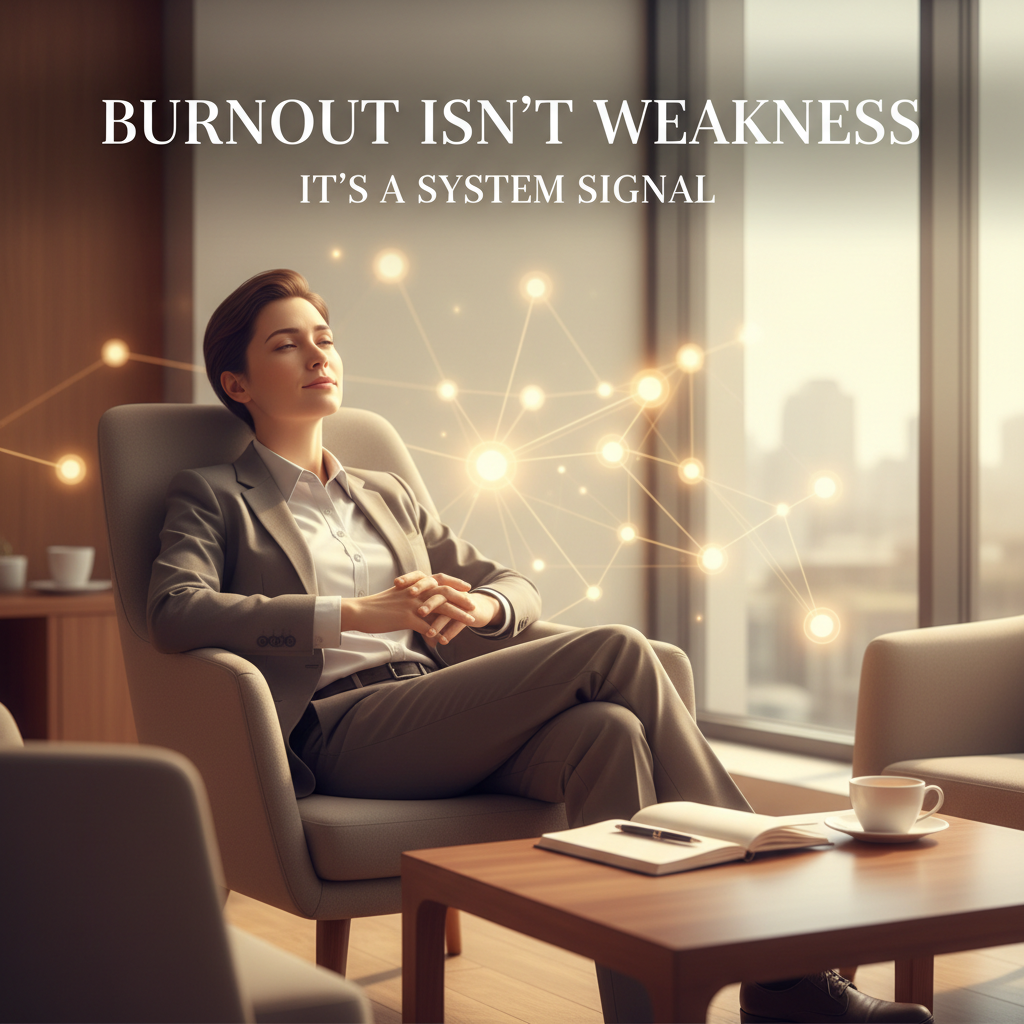
Burnout Isn’t Weakness - It’s a System Signal
When someone burns out, the conversation often becomes personal.
“They need to manage their time better.”
“They need to be more resilient.”
But burnout is rarely just an individual failure, it’s usually a system signal.
Unclear priorities.
Unrealistic workloads.
Constant urgency.
No space to recover.
High performers are often the first to burn out. Not because they’re incapable, but because they care, say yes too often, and carry more than they should.
Burnout doesn’t arrive dramatically. It builds quietly.
Energy drops.
Engagement dips.
Patience thins.
Absence increases.
And by the time it’s visible, it’s already been brewing.
Resilience matters, but resilience without structural support becomes endurance and endurance has limits.
Leaders should be asking:
Are priorities clear?
Is workload realistic?
Are expectations stable?
Do people know what can wait?
Burnout is often what happens when clarity disappears and pressure stays constant. You can’t yoga your way out of systemic overload. Prevention is steadier than recovery.
Clear expectations.
Reasonable capacity planning.
Regular 1:1s that check workload, not just output.
Burnout isn’t a weakness, it’s feedback, and strong organisations listen early.